The software paradigm has changed
Let's work together
Software that once took months to build today can be created in weeks with Artificial Intelligence. Why the economics of development changed, how we apply it at LAB9, and what's at risk if you wait.
Projects
Services
AI
NEW
About us
Blog
ES / EN
Contact
tecnologías
The shift in numbers
This isn't a marketing promise.
This is already happening.
Teams that adopted AI in their development cycle aren't doing "the same thing faster." They're redefining what's feasible, what it costs, and how long it takes.
6–12
Weeks, not months: a new development cycle for a functional MVP.
3–5x
Developer productivity in teams with AI-assisted workflows.
~70%
Of code generated or agent-assisted in the most mature teams.
Days
To go from hypothesis to a testable prototype with real users.
Powered development
por AI
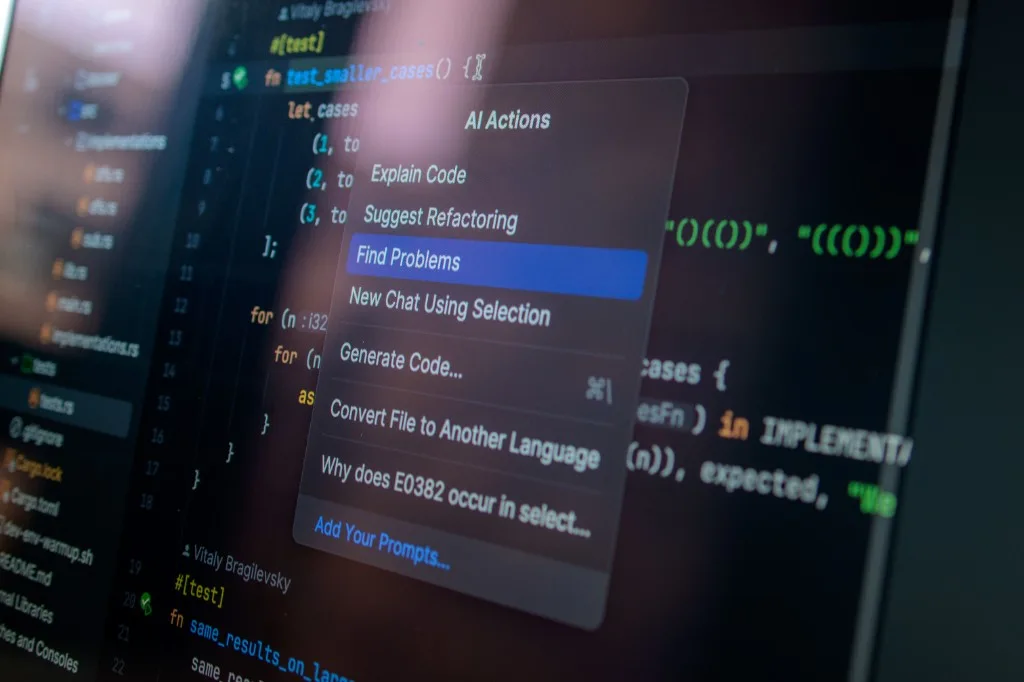
We incorporate artificial intelligence into our processes to optimize technical tasks, improve code quality, and accelerate delivery of digital products.
Automation
Assisted QA
Code optimization
APIs & Microservices
Increased productivity
How we do it at LAB9
Spec-Driven Development:
the methodology that makes speed possible.
AI alone doesn't guarantee quality. At LAB9, the specification is the source of truth that guides agents throughout development.
Specification
We define the what and why together with the client, in clear, verifiable language.
Technical plan
AI proposes architecture and technical decisions. The team validates and adjusts.
Tasks
The spec breaks down into small, verifiable, executable tasks.
Implementation
con AI
Agents code and test against the specification. The team orchestrates and reviews.
The whys
6 reasons why
accelerate with AI
stopped being an advantage
The dimensions by which AI changed the economics of development — from time-to-market to the cost of waiting.
01 — Speed
Time-to-market is the advantage. Validate hypotheses in days, not quarters.
02 — Quality
Fewer errors and spec → deploy traceability with Spec-Driven Development.
03 — Cost
AI handles the repetitive; the team focuses on architecture and business decisions.
04 — Risk
Short iterations: if the spec fails, you know in a week, not six months.
The cost of waiting
What's lost while you decide
See more projects
Loss of market window
Every quarter without accelerating is a hypothesis your competitors test before you do.
Growing methodological debt
The longer you wait, the more costly and lengthy the transition to new workflows becomes.
Higher unit cost
Building software with pre-AI methodologies costs more per feature; that gap compounds.
FAQs
The real questions that arise when an organization
considers accelerating with AI.
No. AI automates repetitive work so human talent can focus on architecture, product design, and business decisions. Human judgment remains at the center.
With methodology, not hope. Spec-Driven Development establishes the specification as the source of truth; the human team reviews, tests, and approves. Traceability is complete.
It works well for MVPs, validating new products, legacy modernization, and complex integrations. Where regulation requires very specific manual processes, auxiliary tasks can still be accelerated.
Code generated within the project belongs to the client. We work with workflows that preserve confidentiality; the specification defines what gets built.
Both. Large enterprises seek shorter timelines; SMEs gain access to custom software that wasn't viable before. The methodology is the same.

CONTACT
Want to see what would happen if your next project is built this way?
Contact us
Schedule a call
Subscribe to an exclusive digest of curated articles to help accelerate your business.
© 2026 LAB 9 S.A.S. · CUIT 30-71742170-8
All rights reserved.

Software that once took months to build today can be created in weeks with Artificial Intelligence. We explain why the economics of development changed, how we apply it at LAB9 with Spec-Driven Development, and what risk your organization runs if it decides to wait.
THE SHIFT IN NUMBERS
6–12
Weeks for a functional MVP
3–5x
Productivity with AI
~70%
Agent-assisted code
Days
Hypothesis → prototype

We incorporate artificial intelligence into our processes to optimize technical tasks, improve code quality, and accelerate delivery of digital products.
THE WHY
Time-to-market is the new competitive advantage. Validate hypotheses in days, not quarters.
Fewer errors and spec → deploy traceability with Spec-Driven Development.
Talent focuses on architecture and business decisions.
Short iterations: fail cheap to innovate for real.
The client validates before building, with continuous feedback.
The cost of not adopting AI grows every day you wait.
Cómo lo hacemos en LAB9
La IA por sí sola no garantiza calidad. En LAB9 la especificación es la fuente de verdad que guía a los agentes durante todo el desarrollo.
Especificación
Definimos el qué y el porqué junto al cliente, en lenguaje claro y verificable.
Plan técnico
La IA propone arquitectura y decisiones técnicas. El equipo valida y ajusta.
Tareas
La spec se descompone en tareas pequeñas, verificables y ejecutables.
Implementación con IA
Agentes codifican y testean contra la especificación. El equipo orquesta y revisa.
PROJECTS

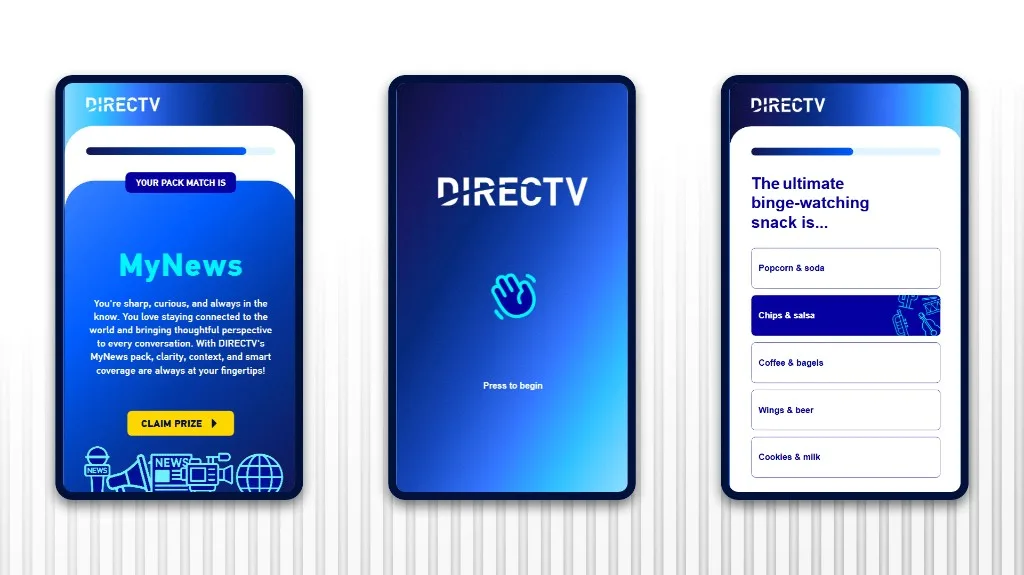
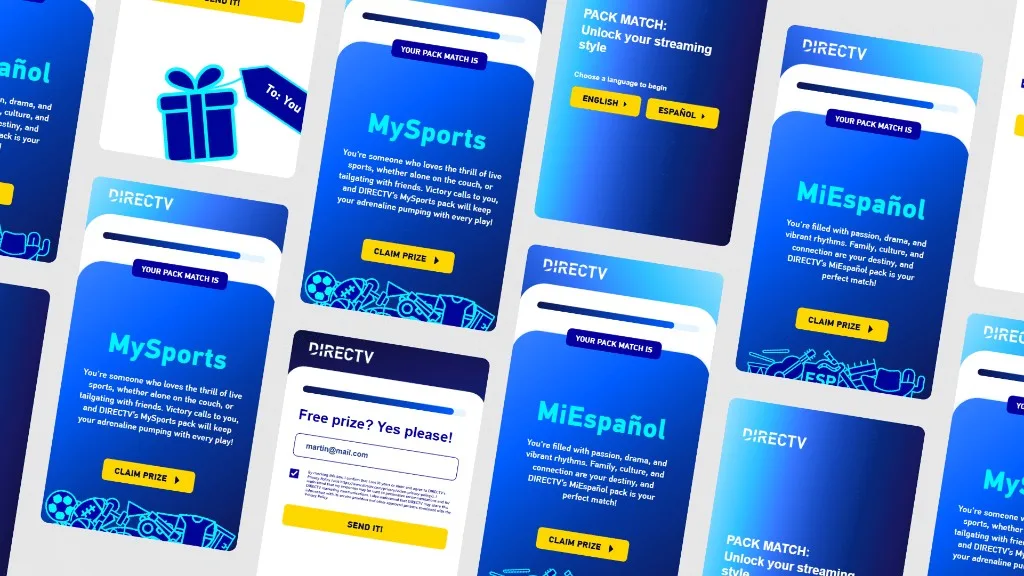
DirecTV
Interactive web with animated quiz

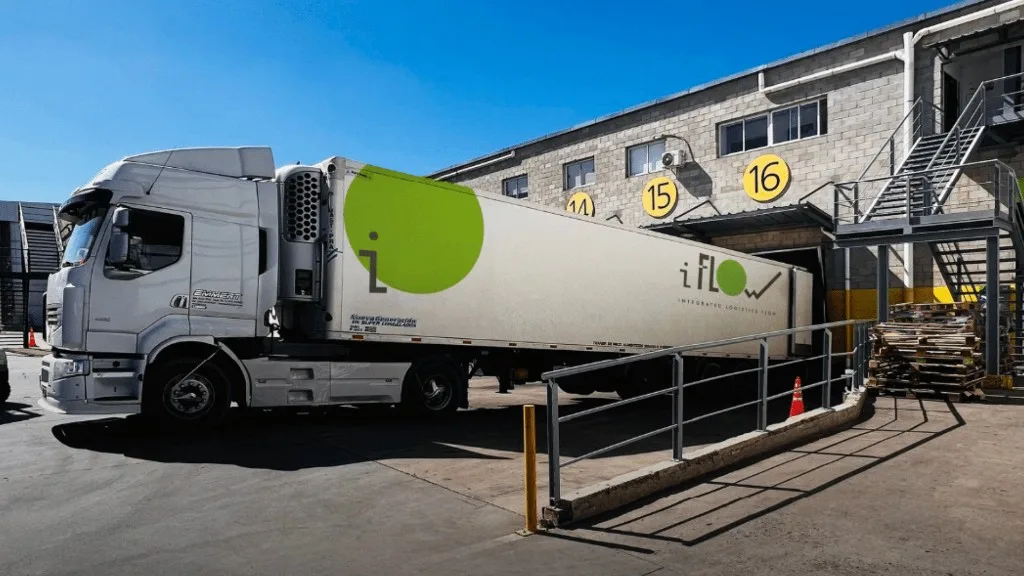
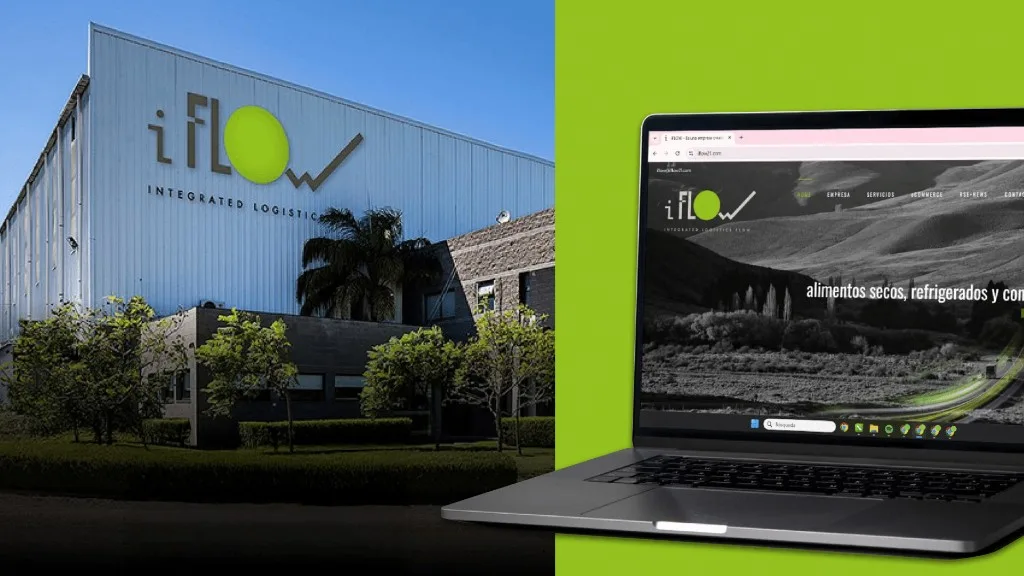
iFlow
Centralized and automated 3PL logistics management

Pedigree
UX/UI improvements for a clearer experience
THE COST OF WAITING
"Let's wait until it matures" is a decision with compounding consequences.
Whitepaper with data, examples, and a decision framework (~12 pages).
See more projectsFAQs
No. AI automates repetitive work so human talent can focus on architecture, product design, and business decisions. Human judgment remains at the center.
With Spec-Driven Development methodology: the specification is the source of truth; the human team reviews, tests, and approves. Traceability is complete.
It works well for MVPs, validating new products, legacy modernization, and complex integrations.
Code generated within the project belongs to the client. We work with workflows that preserve confidentiality.
Both. Large enterprises seek shorter timelines; SMEs gain access to custom software that was not viable before.
Subscribe to an exclusive roundup of selected articles to help you accelerate your business.