
Consultancy · Marketing
Defining the personality of your company: the tone of communication.
You talk. You talk, other times you listen. In either moment, you realize the infinite differences that exist between your ways of speaking and those of others. One makes more jokes, one laughs more. Another is more serious, but he gets into most of the jokes. Others may be looser, more extroverted. They talk up to their ears, but on the other side there are surely the most shy ones, who speak little, but when they open their mouths, they say a lot.
This beautiful plurality of communication tones directly reflects the personality of each person, regardless of whether we know that person or not and without evaluating much the content of what they say.
More or less, there are 7,800 billion people living in the world. If I give you the task of finding points where this enormous mass of people differentiate themselves from each other, you will surely tell me: identity document, fingerprint, personality and DNA. And indeed this is true, but... what if I told you that there is something that makes you even more unique in the world? Yes. I'm talking about the tone with which you speak and communicate.
So, the tone of communication is a differentiator from the rest, and be careful! It is not only for people, but also for companies, businesses and institutions. The latter, in fact, need to communicate in a much broader and global way, so then the tone and the way in which they say the messages will have much more value.
How to choose the most suitable tone?
Difficult task, we are not going to deny it to you. The first step is to do research and study our audience, that is, the people who are going to read and listen to us. We must hit the target (or at least be close) with the things they like, consume, read and do.
Once your audience has been segmented, we have to be very clear about what we are trying to sell (in the case of commercial companies) or transmit. Because? Because the tone of communication we choose has to be in accordance with this. It should reflect your brand values.
With steps 1 and 2 ready, we are in a position to think fully about what tone we are going to choose. A simple way to make it not so abstract is to literally imagine the brand as a person. Do we want it to be fun? Informal or formal? Close or keep more distance?
This strategy allows us to humanize the brand, appeal more easily to the audience's emotions and therefore, create stronger connections with it.
Now, we do have to define what types of tones we can adopt, we are going to define them in 2 large groups:
- Formal tone:
As its name indicates, it is a more serious way of communicating, which seeks to educate and inform more than to entertain. They are far from the everyday, familiar, intimate sphere, and they use technical vocabulary because they need to demonstrate a certain intellectuality (without this characteristic, the credibility of the company would be affected).
- Informal tone:
Which is full of slang, lunfardos and funny phrases. It is a much more relaxed tone that tries to approach the public as that friend you can always trust. The messages have a much more direct style because they aim to form bonds of trust with the audience.
Something fundamental is that the tone we choose is replicated in all areas of the company. This means that not only must we take care of the way we write on social networks or on the website, but those who work or are part of the company's team must also relate to the public in the same way (or on the same wavelength).
In conclusion, we can define a communication tone as the way in which a brand relates or uses language, in order to be able to connect with consumers. This can be formal or informal and must have a connection with the identity and type of product or service offered by the company.
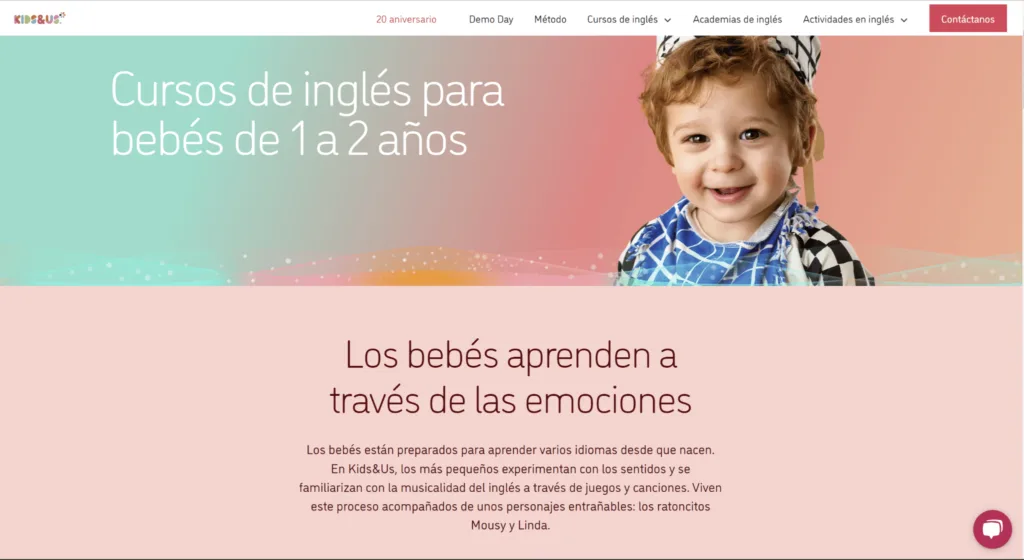
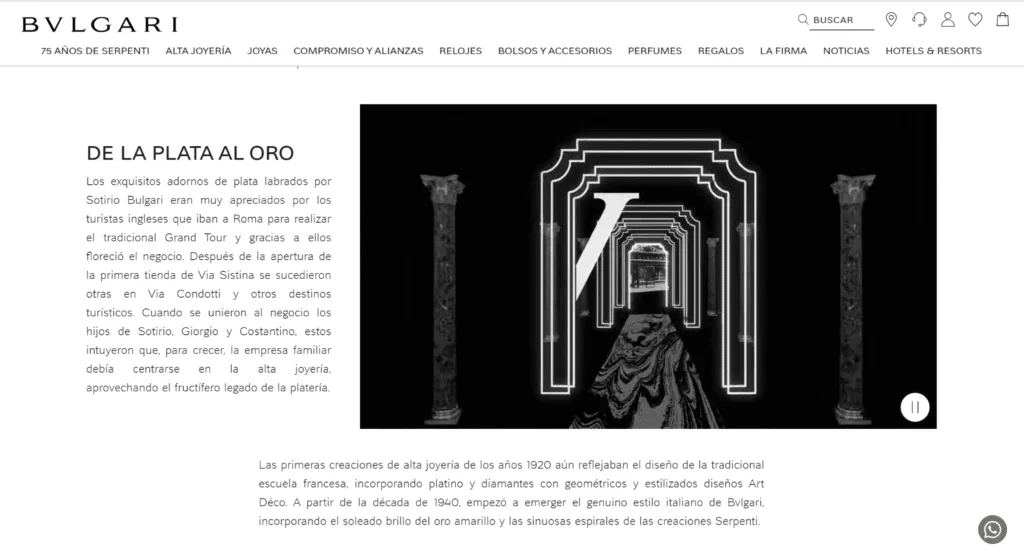
SOME EXAMPLES:
Friendly and close:
Elegant and sophisticated:
https://www.bulgari.com/es-es/
Fun and modern:

If you liked it, follow us on our social networks: Instagram, Facebook, Linkedin