
Branding · Consultancy · Development · Outstanding · Marketing · UX/UI
Happy Navi-Lab: how does a 100% home office company close the year?
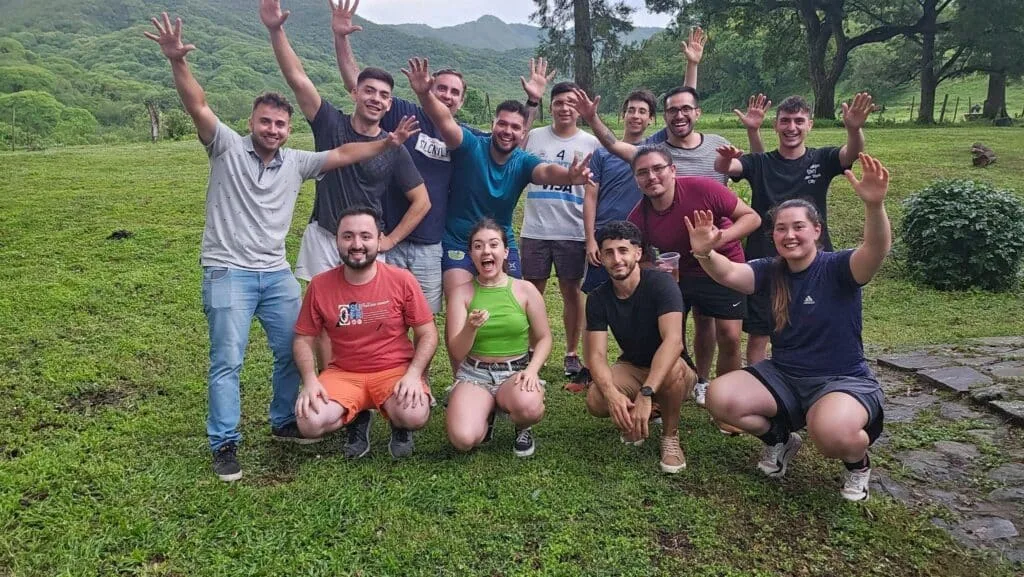
The first week of the year always calls for reflection. We ask ourselves what we did during the previous year, what goals, what objectives were met and which were not: why were they not met? What do I have to correct? Do I have the same resolutions this year as before?
If we investigate these questions on a personal level, we could say that they are rhetorical questions: generally, they do not have a single answer, much less a clear one. Many times we do them without thinking much about the subject.
However, if we talk about work and projects, it is fundamental, almost vitally important I would say, that, firstly, we reflect, and secondly, that this reflection has the necessary answers so that the direction of the entire team has meaning.
What it is like to work in a virtual context.
Like everything in life, 100% remote companies, like us, have their pros and cons. And although we are not going to talk exactly about advantages and disadvantages - at least in this post -, we do think it is important to demystify the difficulties that everyone who does not work in a company of this style believes we have.
First of all, and probably the biggest “legend” about remote work, is that this modality isolates and does not encourage teamwork. Opinions are divided, but we, Lab9, as a 100% remote company can say with complete confidence that this is FALSE.
It goes without saying that virtuality logically requires another organization than the traditional face-to-face one. The times, the work methodologies, the objectives, among other things, will not - and cannot - be the same.
From home, at their desk, each one with their coffee in hand, they work individually, yes. Everyone has their specific tasks and obligations, but that doesn't mean they work alone. We bring this paragraph to reality through an example: the community manager works together with a graphic designer and both functionalities depend on each other (without content there are no plates and without plates there is no content).
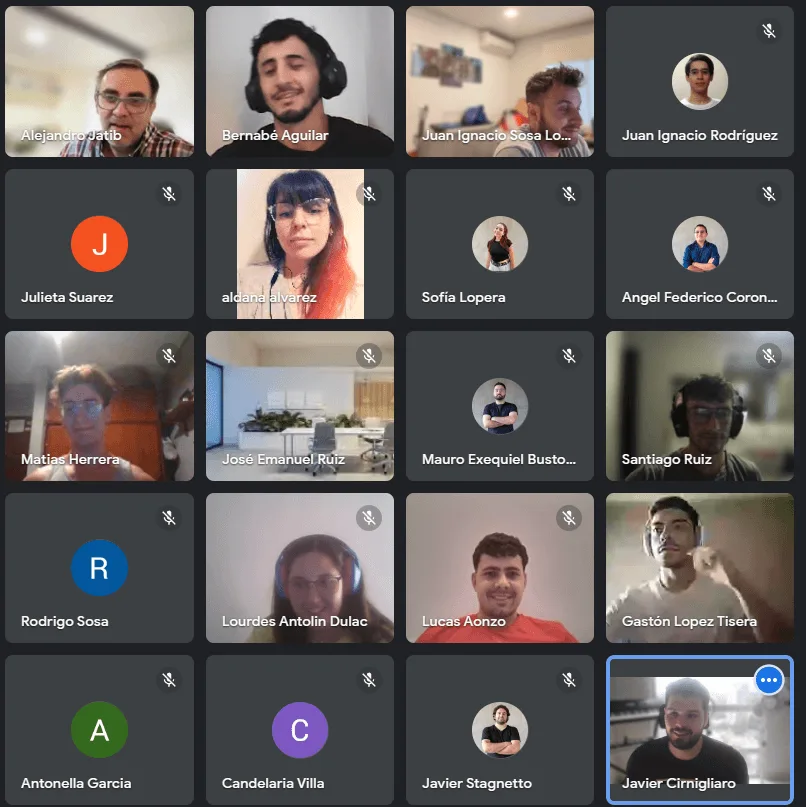
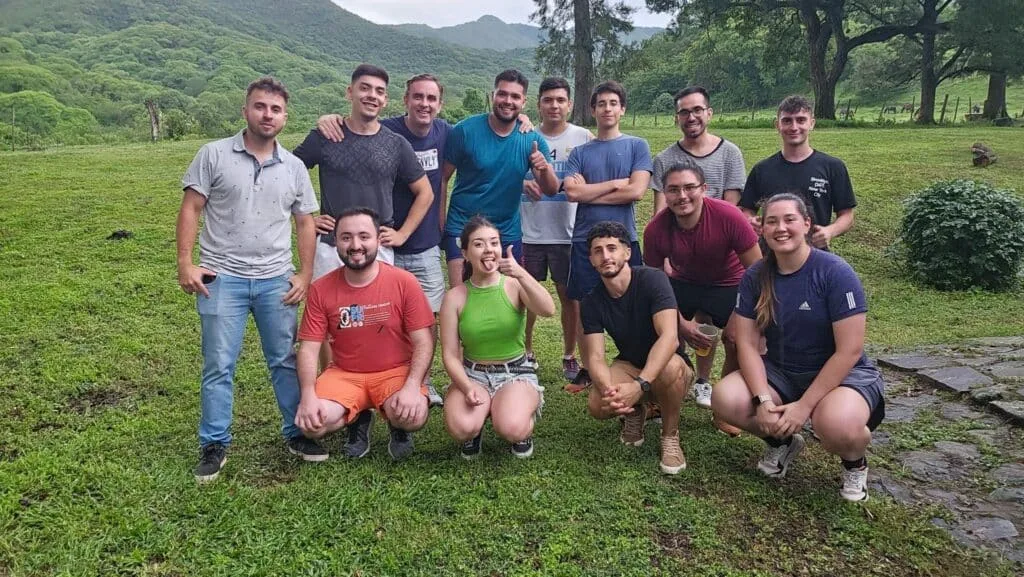
Without giving it any further thought, by this we mean that even in virtuality, we work as a team. In our case, several teams: marketing team, development team and design team. Everyone, in turn, is part of a larger team, which is Lab9.
The division of teams, far from creating boundaries between the different specialties, calls for a double reflection: on the sub-team where I am, and on THE team. And although you may not believe it, it is something like a dependency relationship between the two. What I do or don't do in my area inevitably has the “butterfly effect” on the entire group.
Online reflection.
So... how do these spaces for reflection occur under this context?
Although spontaneous introspection is not impossible, it is probably difficult. In the midst of the acceleration and speed that work times bring today, it becomes difficult to take a pause to think carefully and carefully about our performance. This is why company leaders must promote these spaces, both collectively and individually.
How did Lab9 do it and does it do it?
We meet monthly as a group. We choose a cute little bar, a great team activity and we use at least one Friday of each month to have a good time together. All of these encounters logically have their implicit reflection. Implicit because we don't get together to talk about work, but in informality, you learn a lot from work.
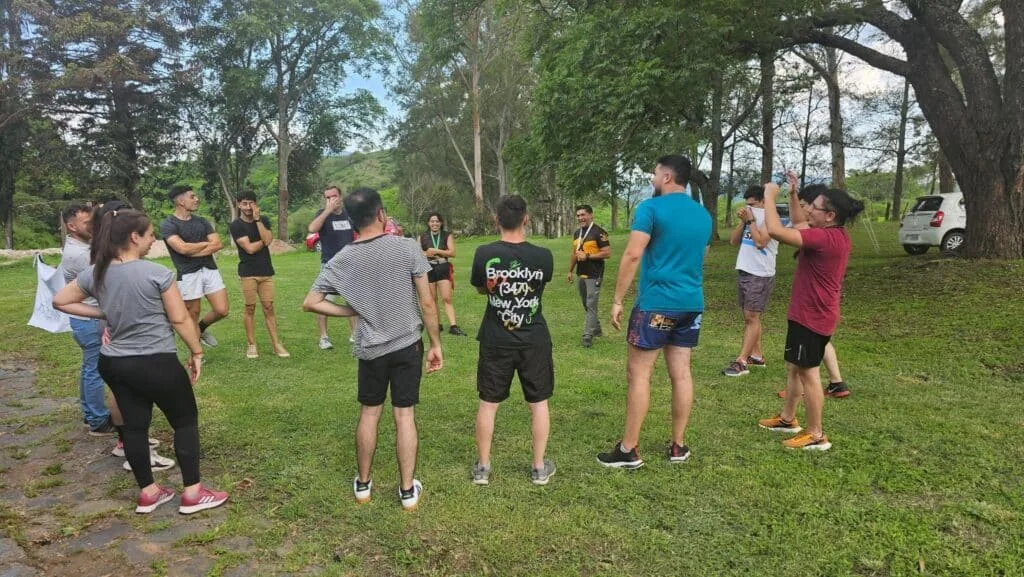
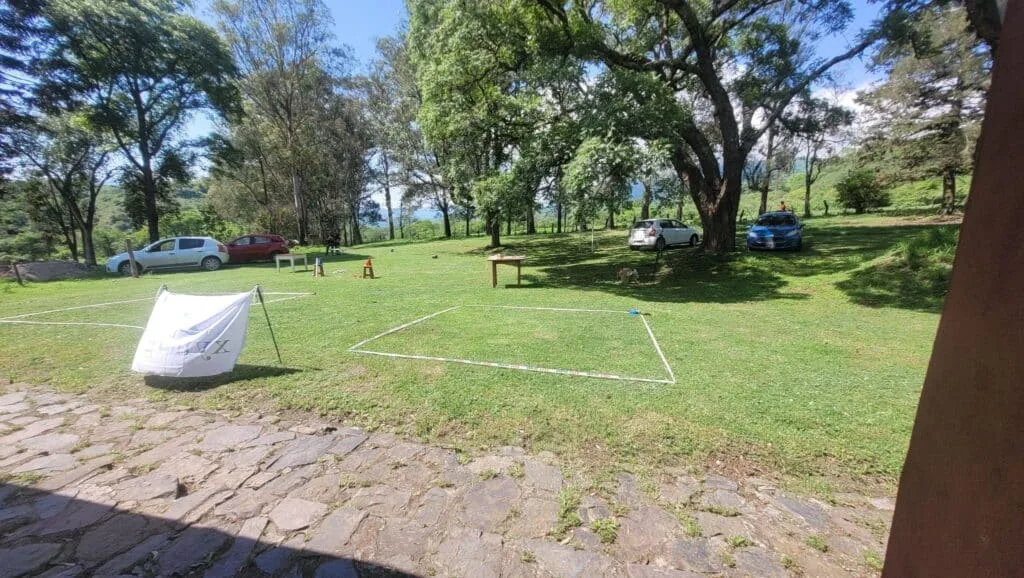
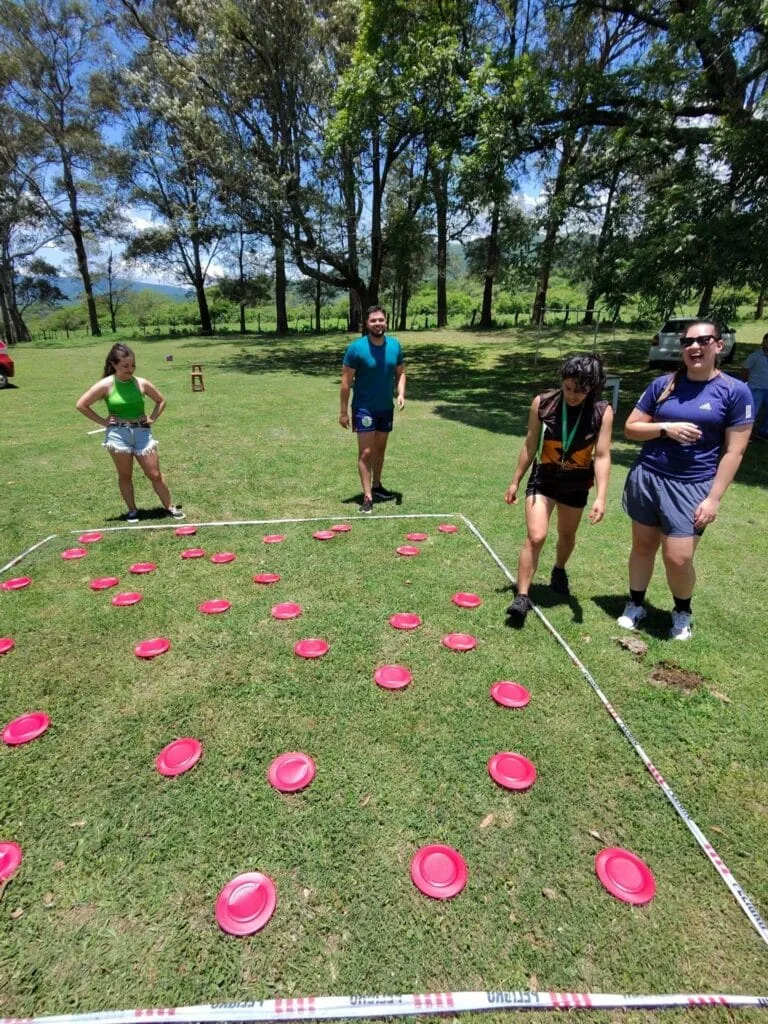
Recently there was the end of the year meeting and we wanted to take this to another level. Our day began early on a farm in the province. The majority, with the exception of the organizers, went with high expectations because they promised surprises to the max. Beyond the delicious food and gifts, the center of the meeting were the games organized by Xynergia, a company that develops team building outdoors experiences for companies (pardon the redundancy).
| Many companies decide to dedicate one or more days to activities outside the workspace, this is what is known as team building. Thanks to these meetings between workers, many advantages can be achieved on a business level. Team building refers to the construction of a high-performance team. When we talk about outdoor, we are indicating that a certain activity is carried out outdoors. At the end of the scheduled practices, it is intended that the entire work team has coexisted and released some stress to return to their work with a better spirit. Definition of team building outdoors by www.elolivar.es |
In our case, the day consisted of a competition of 6 challenges, separated into 2 teams. Each game required the practice of different skills: coordination, speed, strength, precision and creativity. The central idea of the activities was to work as a team - to win, obviously - but the most important thing was the reflection upon finishing them. The question was always: How did they feel? What do you think was put into practice?
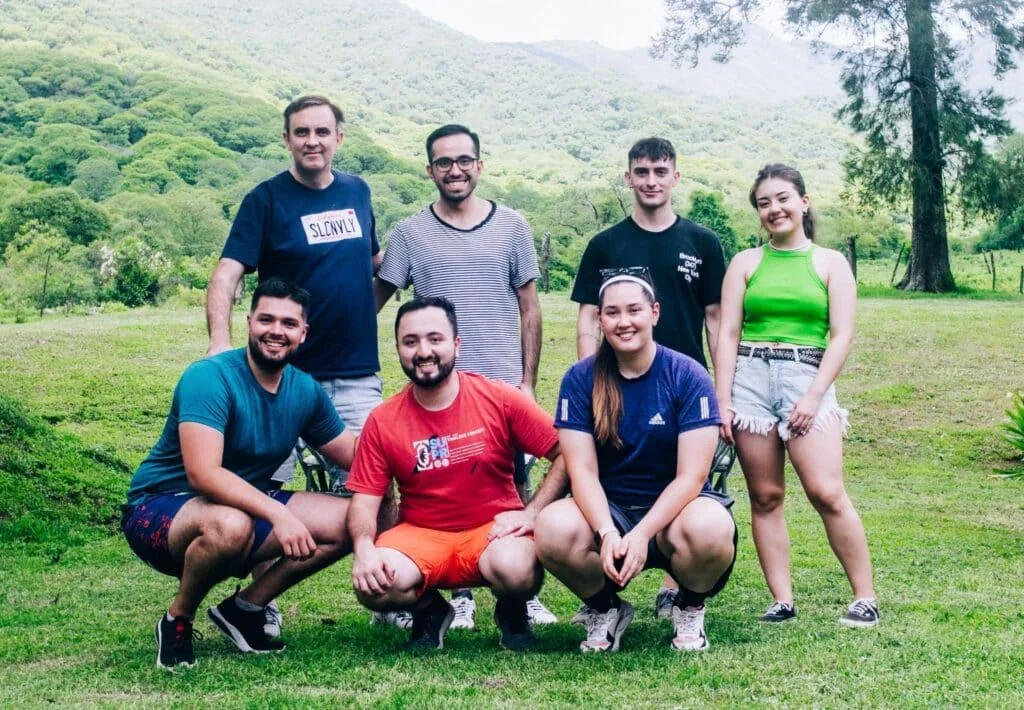
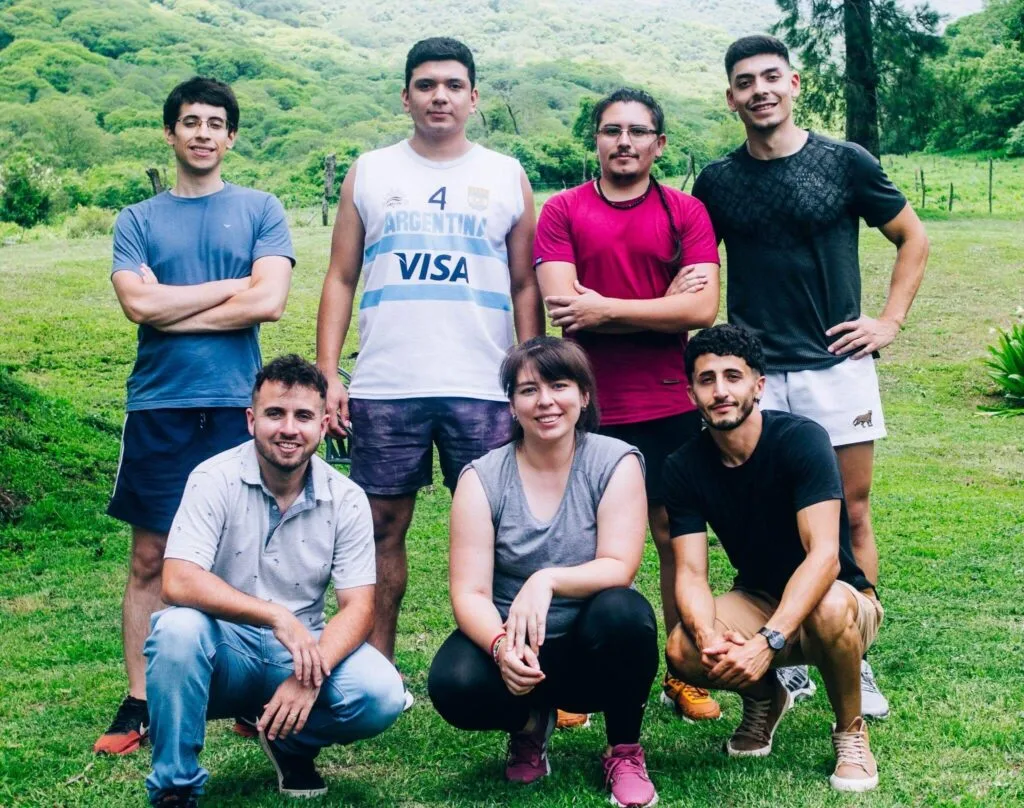
This type of activity not only “releases stress” as the definition says, but also opens up that space for reflection that we talked about at the beginning. Throughout the game, some shortcomings and failures as a team are revealed that must be corrected and discussed during the game, basically if we want to win.
This same thing can be replicated to the workspace. Space where obstacles constantly arise that require reorganizations and resolutions on the fly to achieve the best possible result.
Without a doubt, a very positive experience for the entire group, which opened a space for dialogue and reflection, ideal for starting the year with our minds set on new and better goals, both personal and collective.
We leave you our social networks so you can learn a little more about us😉
Facebook | Instagram | LinkedIn | TikTok