
Marketing
SEM: Search Engine Marketing.
You've probably heard this acronym right next to “SEO” in titles and phrases. But... What does it mean? Are they the same?
If we translate it into Spanish, we see that the acronym SEM means search engine marketing. In other words, SEM refers to paid advertising campaigns carried out on search engines.
SEO and SEM: brothers, not twins.
Together with SEO, they aim to increase visibility and traffic within a website. The central difference between the two lies in the approach they use to gain positioning: while SEO does it organically, SEM does it through advertising.
Due to this great distinction between the two, the results of SEM strategies will have much faster and more visible results in the short term compared to those of SEO strategies.
On the other hand, one of the most important characteristics of SEM is that it has a clear commercial intention. This literally means that with SEM strategies we seek purely to sell. Eye! It is not that SEO does not seek to retain customers, but these types of strategies can also be used on news sites, for example, that do not seek to sell a product itself, but rather to gain views and interactions.
To make it easier to understand, here is an example:
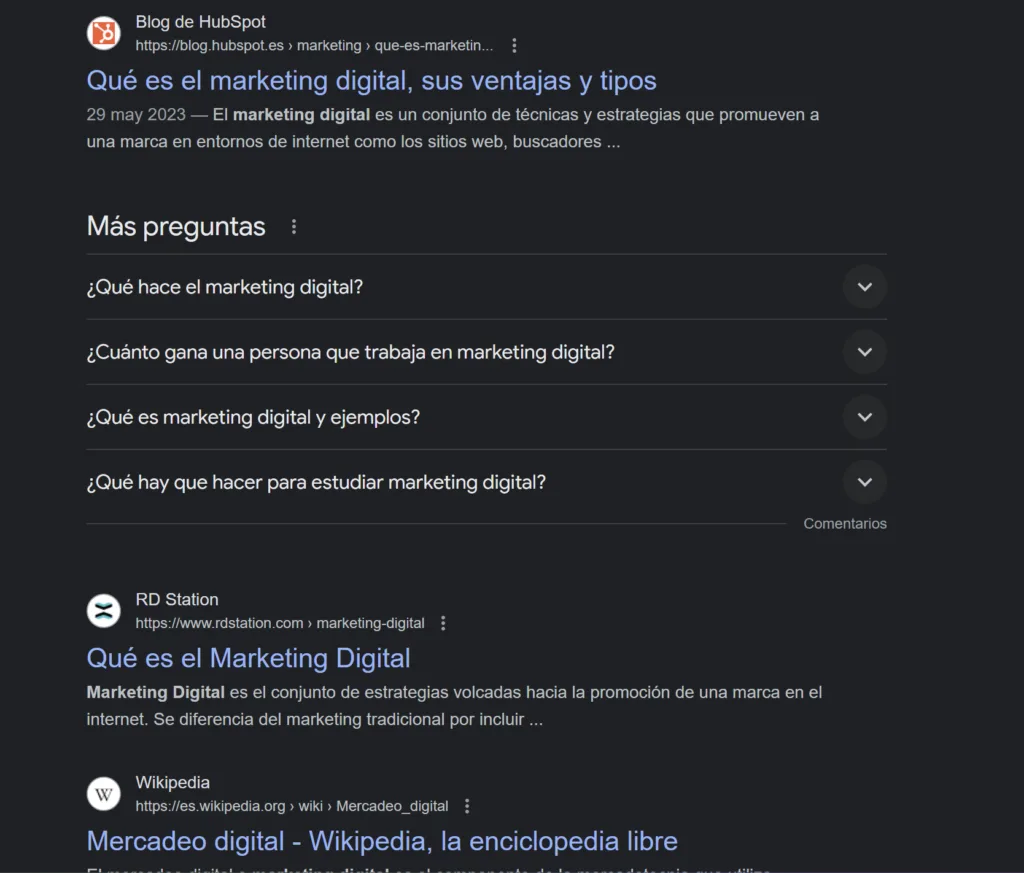
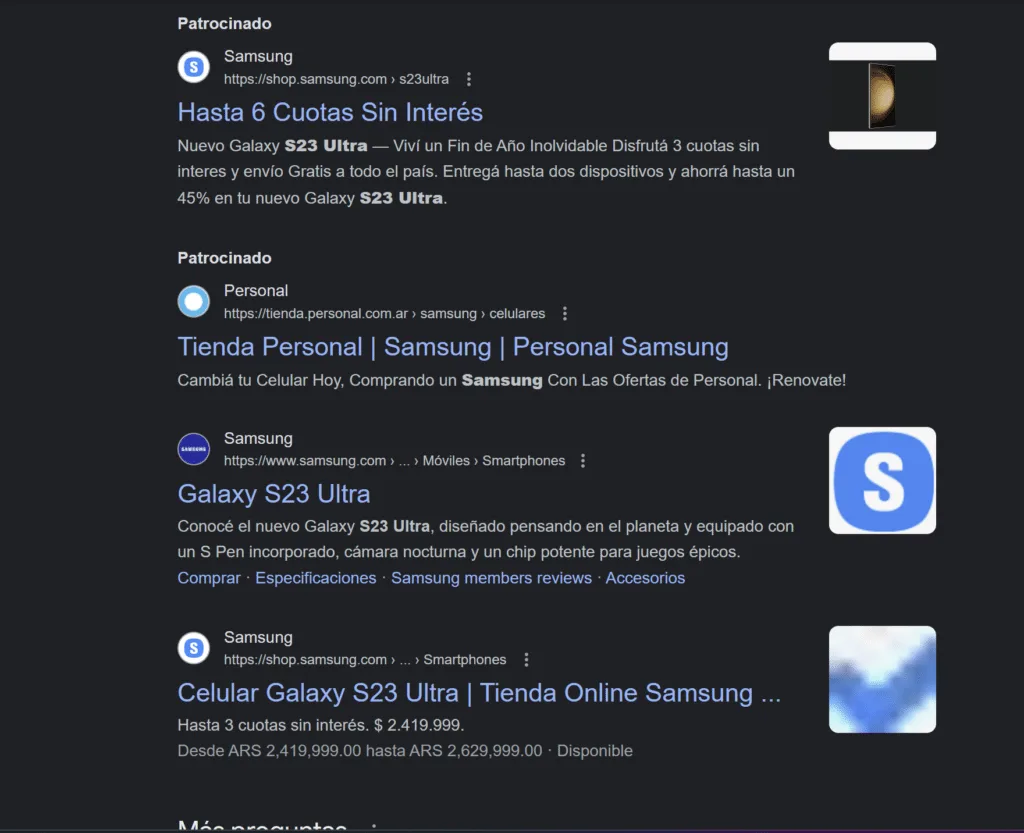
Searches with the “sponsored” tag are part of SEM strategies. When searching for the keyword “digital marketing”, the first results show options to study and learn about mkt.
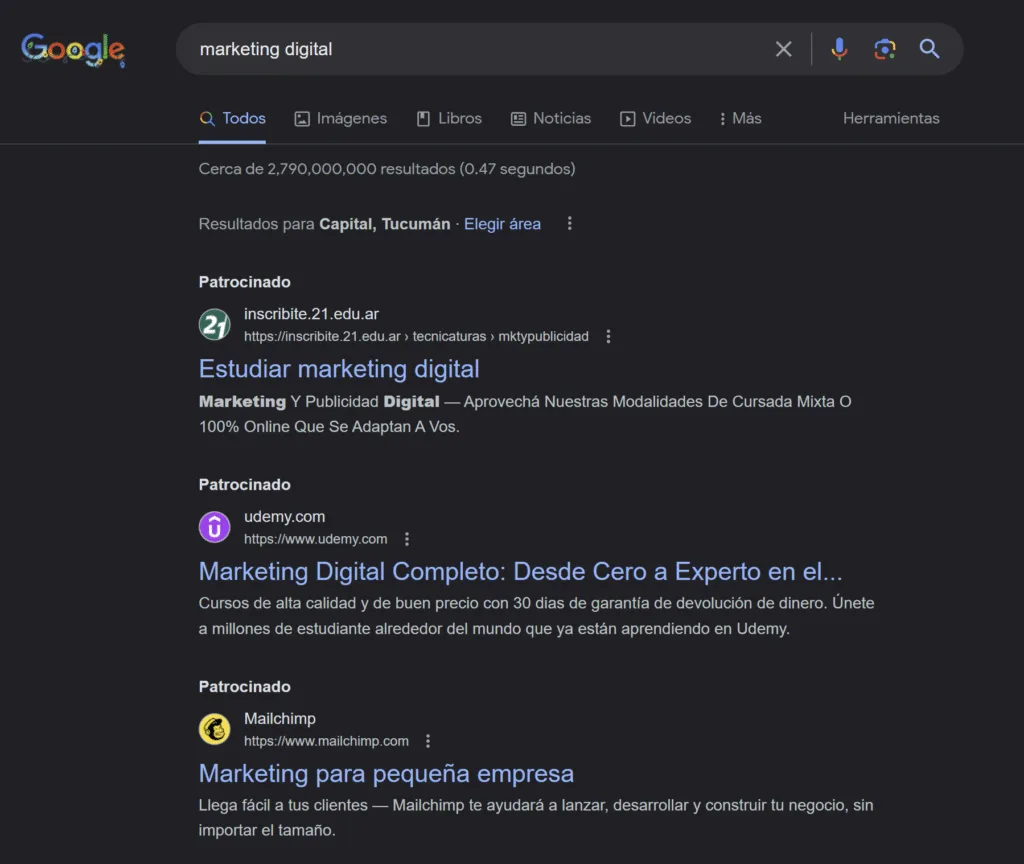
On the other hand, when we go down the web, we see that the results that no longer have the sponsorship label, are more blog/news portal style. This does not mean that they do not have an implicit commercial intention, but it is not obvious. This is content that prioritizes relevance, originality and all the necessary guidelines for good SEO positioning.
Operation of the SEM.
The SEM works based on 2 fundamental elements: machine learning and the bidding system. Below, we give a brief explanation of each one:
MACHINE LEARNING.
It is a branch of AI that, through the establishment of the famousalgorithms, equips computers with the ability to identify patterns in massive data and make predictions (predictive analysis). This learning allows computers to perform specific tasks autonomously, that is, without the need to be programmed.
BIDDING SYSTEM.
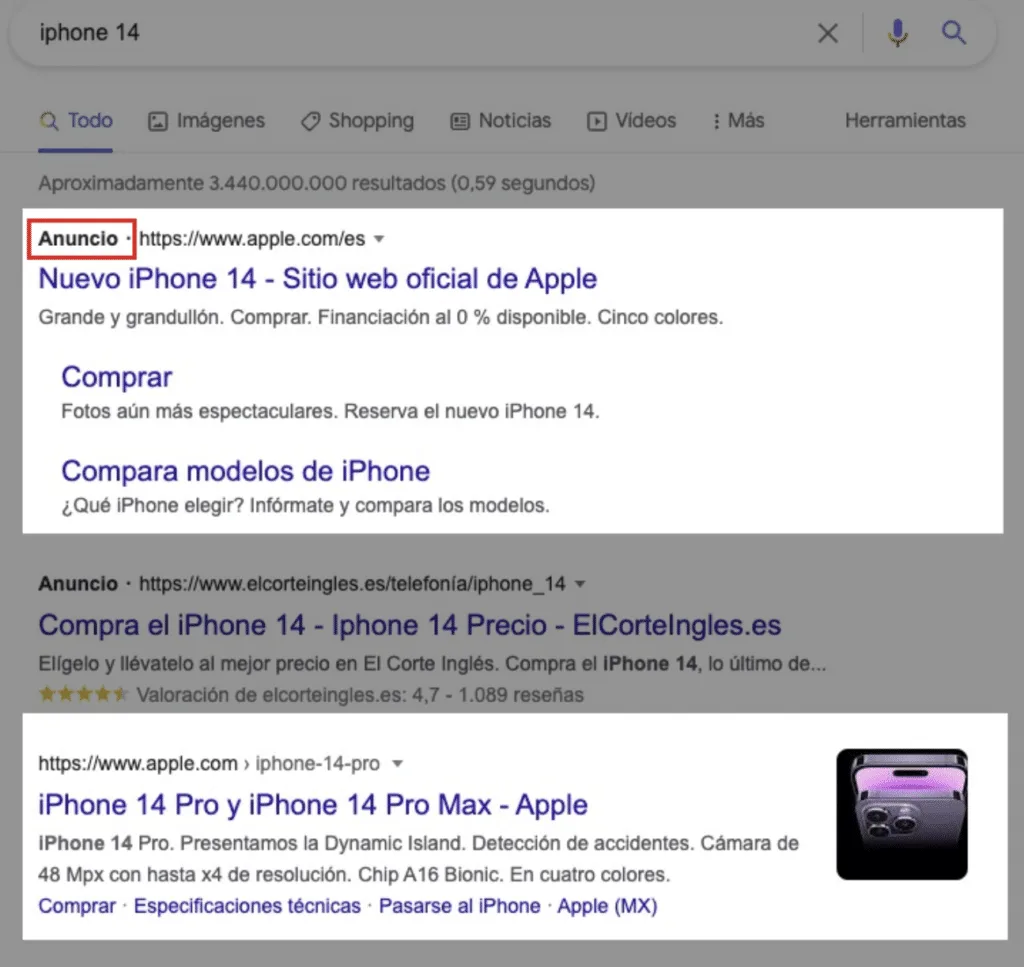
We could even say that the SEM is properly a bidding system. Search engines make up an ecosystem of unimaginable dimensions, with very diverse content. There are literally searches like people in the world. In this space, different advertisers pay to appear in the top positions in the search for a keyword. Thus, search engines allow, in exchange for money, to appear in a preferred position when someone is looking for something that I can offer them.
For example:
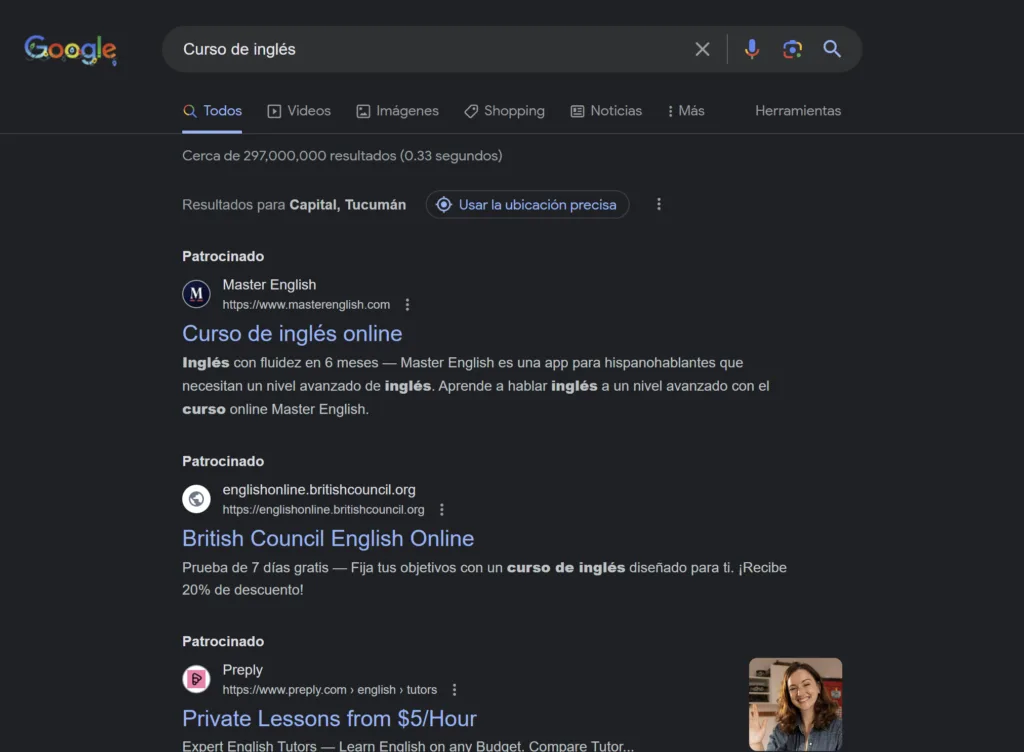
There are other brands that invest time and money in both strategies (SEO and SEM). This means that they deploy organic and paid strategies at the same time with the intention of appearing at the top of the searches.
Types of SEM campaigns.
When we run an advertising campaign on Google, as in Meta campaigns, we can choose the locations where we want our ad to appear. We don't necessarily have to define a single location. We can combine them strategically so that their appearance is in the places that best suit us:
Search Network Campaigns:
These are text ads that appear above or below the organic results.
Display Network:
Banner campaigns on websites.

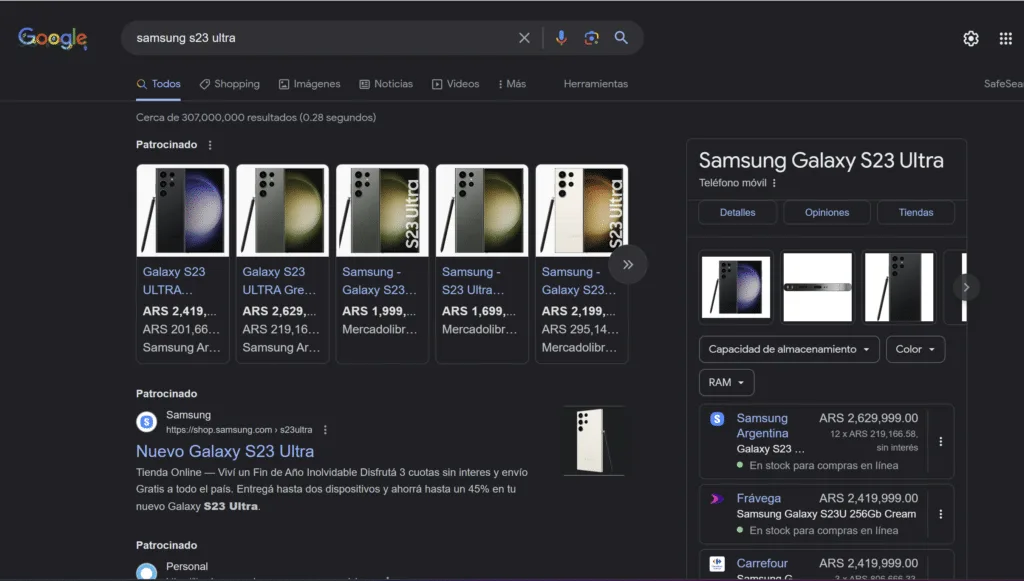
Shopping:
E-commerce product ads that show product images, prices and ratings.
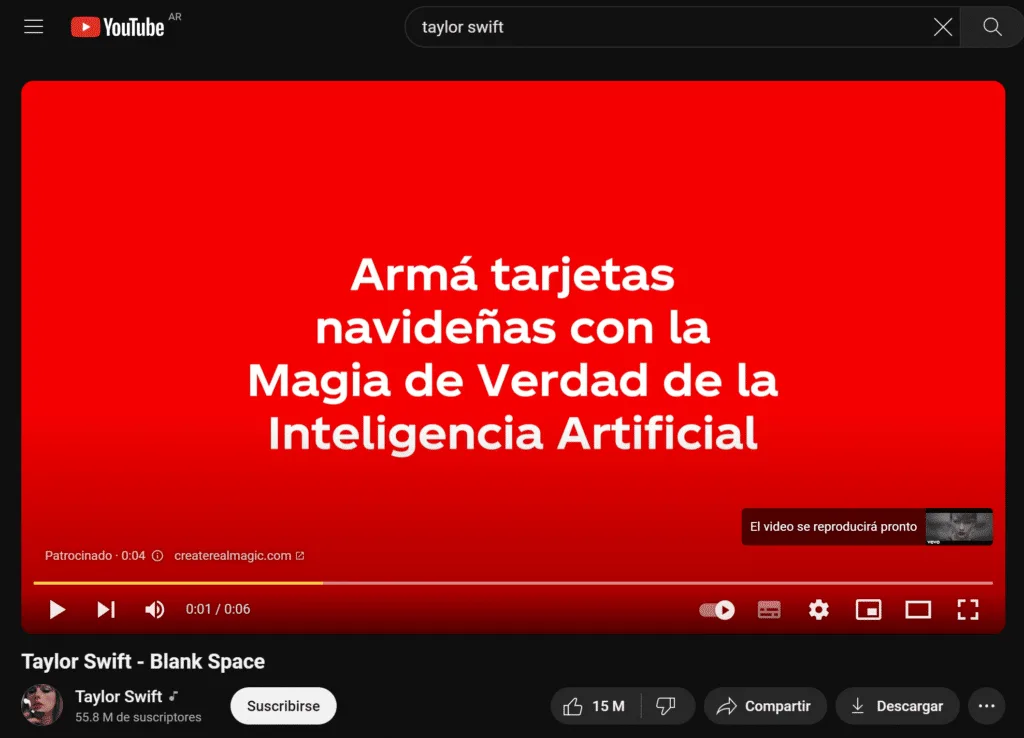
Video:
Banners that appear superimposed on ads on video platforms such as YouTube.
As you will see, like SEO, both are extensive topics with a lot of important points. Due to the very rapid evolution of search engines (since user needs are not always the same), the elements of these themes are constantly updated. For this reason, this is only the first part of a complete glossary that we are going to make about SEM.
To not miss the latest news about this and other news, we invite you to follow us on our social networks.